
Unified platforms for calls, chats, and automation.
From Meta ads to SEO - grow your brand with strategy.
Custom digital products designed to scale performance.
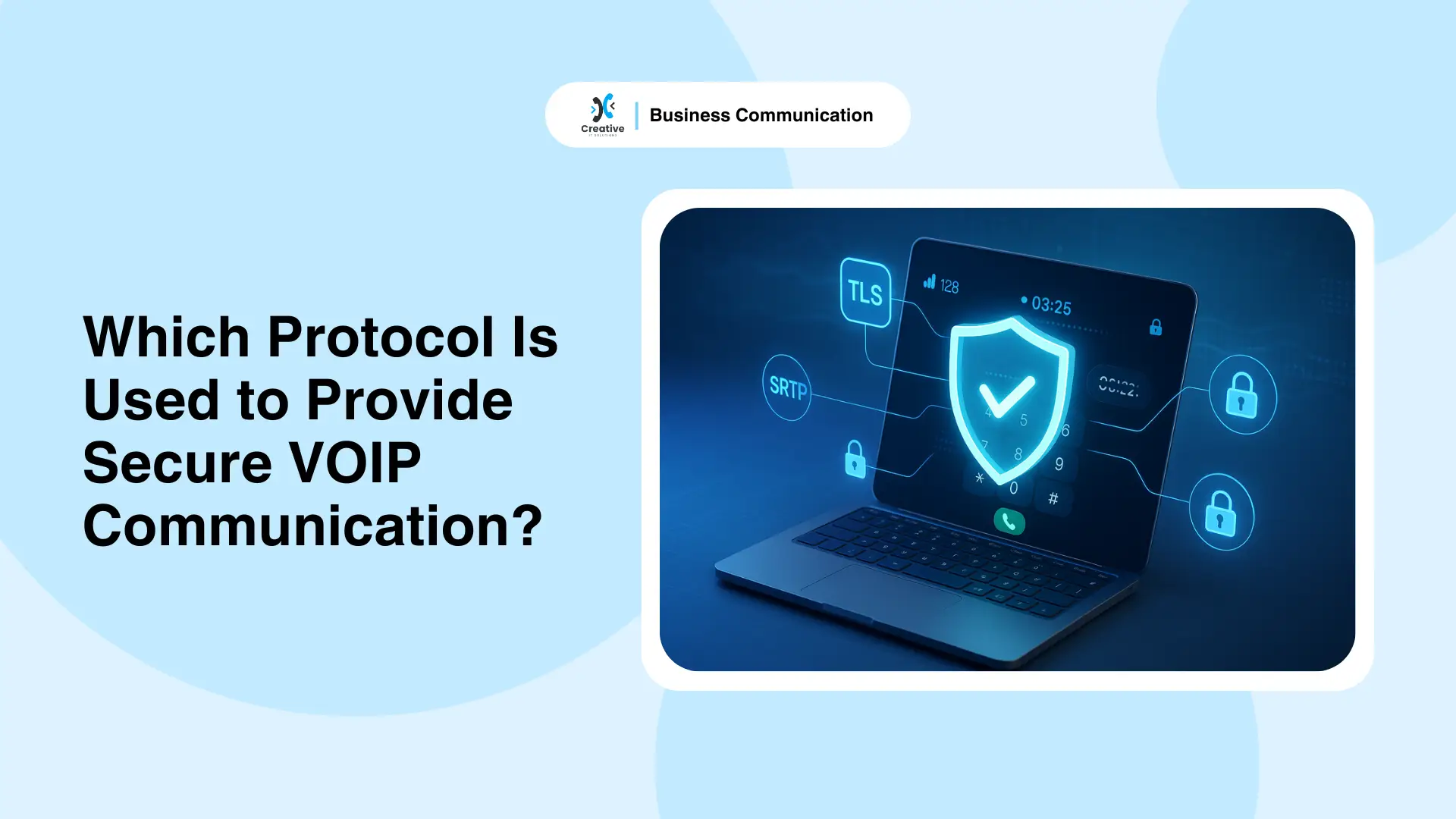
When you make a call over the internet using VOIP, your voice turns into digital data that travels through various networks. Without protection, this data can be intercepted, recorded, or even altered by attackers. That’s why secure VOIP communication is essential for every business and individual who depends on cloud-based calls.
To protect these conversations, VOIP systems use special security protocols – sets of digital rules that keep your data safe during transmission. These protocols encrypt your voice and signaling information so that only the intended sender and receiver can understand it.
Among the most reliable protocols used for secure VOIP communication are TLS (Transport Layer Security) and SRTP (Secure Real-Time Transport Protocol). TLS safeguards call setup and authentication, while SRTP encrypts the actual audio and video streams during the conversation. Together, they ensure your VOIP calls remain private, tamper-proof, and compliant with modern data protection standards.
If you’re setting up VOIP for your business, always choose a trusted VOIP service provider who implements these encryption layers for full security.
Table of Content
ToggleBefore we understand how to protect VOIP calls, it’s important to know how VOIP works. VOIP (Voice Over Internet Protocol) converts your voice into digital packets and sends them over the internet instead of using a traditional phone line. This allows people to make calls from anywhere – using computers, smartphones, or IP phones – without relying on mobile networks.
However, because these calls travel through the open internet, they can be exposed to cyber threats if not properly protected. Without secure VOIP communication, attackers can:
That’s why VOIP security protocols are critical. They use encryption and authentication methods to make sure your data remains private, untampered, and accessible only to authorized users. When secure VOIP communication is implemented correctly, every call – from signaling to audio – stays safe from unwanted access.
In short, security in VOIP isn’t optional; it’s the foundation of trust in digital communication systems. Businesses, government agencies, and remote teams all rely on encryption-based protocols to keep every conversation private and compliant.
Even though VOIP makes communication faster and more affordable, it also opens doors to cyber risks if not properly secured. Understanding these threats helps businesses and developers create secure VOIP communication systems that protect every call and message.
Here are the most common security challenges in VOIP networks:
Hackers can capture unencrypted voice packets as they travel through the internet. This allows them to listen in on calls, record conversations, or extract sensitive data such as login details or payment information.
In spoofing attacks, cybercriminals change the caller ID to impersonate someone else – often a company or trusted contact. This is commonly used for scams and phishing calls targeting businesses and customers.
If a VOIP system is not encrypted, attackers can steal data from call logs, voicemails, and recorded conversations. Compromised data can include personal details, financial information, or business strategies.
In a DoS attack, hackers flood the VOIP server with fake traffic, causing dropped calls and service interruptions. These attacks can make even large systems unavailable for real users.
Unsecured VOIP endpoints, like softphones or IP phones, can become entry points for malware or ransomware that locks down communication systems until a ransom is paid.
Building secure VOIP communication requires addressing all these threats through strong encryption, authentication, and regular system monitoring.
To achieve secure VOIP communication, systems rely on specific encryption protocols that protect both call setup and the actual voice or video data. These protocols ensure every packet of information travels safely over the internet without being intercepted or altered.
TLS is one of the most widely used encryption protocols in VOIP systems. It secures the signaling data, which includes call requests, user authentication, and connection setup.
When you make a VOIP call, TLS creates a secure tunnel between the user device and the VOIP server. This prevents attackers from reading or tampering with signaling information such as usernames, passwords, or IP addresses.
By protecting the SIP (Session Initiation Protocol) messages, TLS ensures that every call request in a secure VOIP communication environment is verified and encrypted.
While TLS secures the call setup, SRTP protects the actual voice and video streams exchanged during the conversation. It encrypts media packets in real time so that no one can eavesdrop on or alter the audio and video data.
SRTP also includes message authentication and replay protection, adding another layer of reliability and integrity to your calls. This makes it one of the essential components of secure VOIP communication.
SIP-TLS is the combination of the SIP signaling protocol and TLS encryption. SIP manages how VOIP calls are initiated, maintained, and terminated, while TLS ensures that all this information stays confidential.
When used together, SIP and TLS provide complete protection for signaling – from call invitations to termination. Businesses that use SIP-TLS guarantee that every call setup follows strict encryption standards, forming the backbone of VOIP security protocols.
For organizations that require an additional layer of privacy, ZRTP (Zimmermann Real-Time Transport Protocol) and VPNs (Virtual Private Networks) can be added to the mix.
ZRTP provides end-to-end encryption without needing to share keys through a central server, while VPNs protect the entire network by masking IP addresses and blocking unauthorized access.
Combining these tools with TLS and SRTP creates a fully secure VOIP communication system that is nearly impossible to breach.
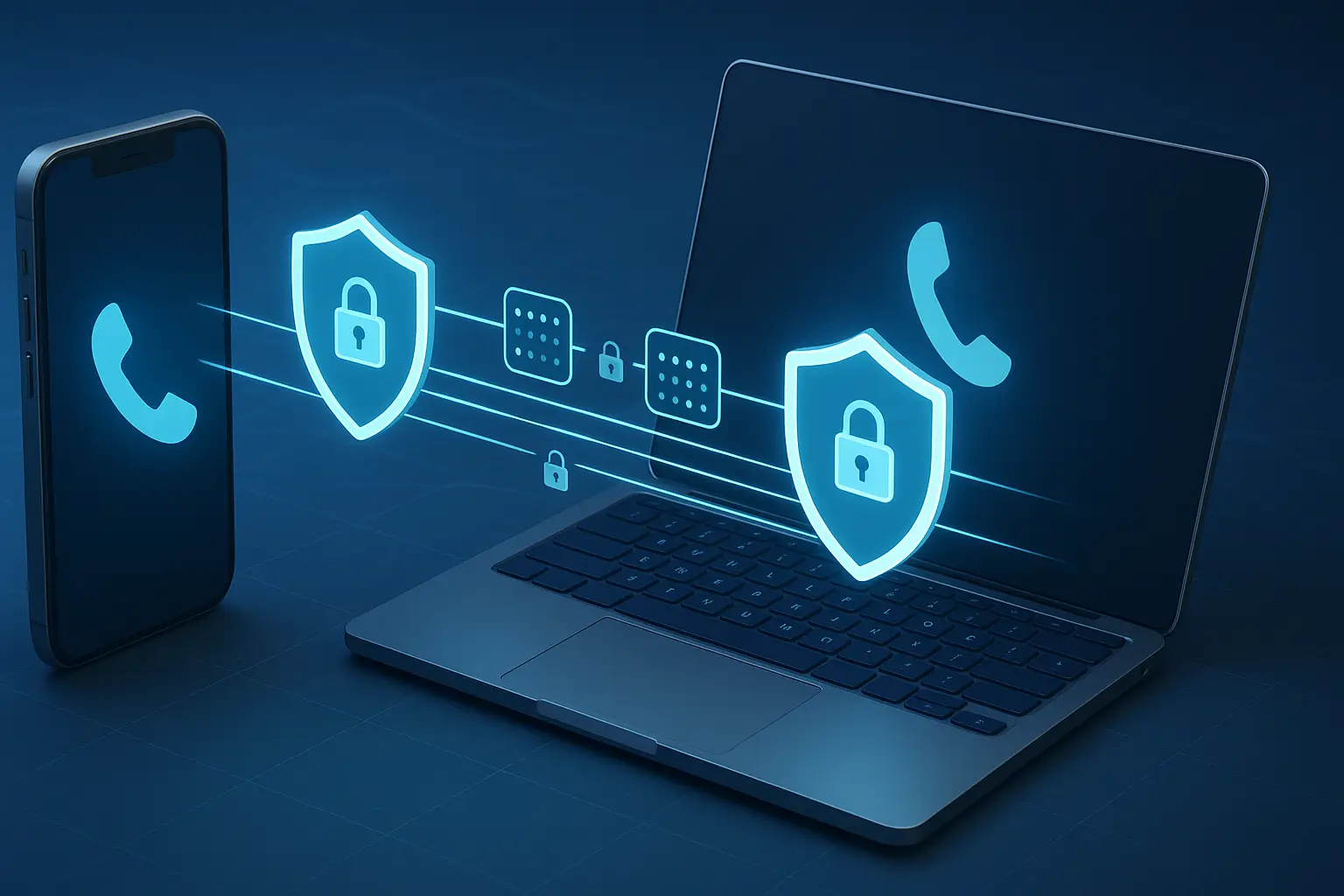
The power of secure VOIP communication lies in how these protocols – TLS, SRTP, and others – work together to protect every part of a call. From the moment a user dials a number to the time the conversation ends, multiple layers of security are applied in a specific sequence.
Here’s how it works step by step:
When a VOIP call starts, the devices first identify each other using TLS (Transport Layer Security). This step is called the TLS handshake.
During this process, both the user device and the VOIP server exchange digital certificates to verify that they’re legitimate. Once the identity is confirmed, a secure connection channel is established – ensuring that no outsider can impersonate or intercept the session.
After authentication, the devices generate unique encryption keys. These keys act as digital “locks” that protect the data transmitted during the call.
For signaling data, TLS uses these keys to encrypt and decrypt messages, while SRTP (Secure Real-Time Transport Protocol) uses separate keys for voice and video streams. This separation keeps signaling and media data safe even if one channel is compromised.
Once the secure connection is active, SRTP takes over. It encrypts every voice and video packet in real time before sending it across the internet. Even if someone manages to intercept the packets, they’ll see only unreadable data.
The receiving device then decrypts the packets using the matching key, allowing users to hear or see the conversation as intended.
Besides encryption, SRTP and ZRTP include message authentication and anti-replay mechanisms. This ensures no attacker can resend, alter, or record the same call packets to exploit the system later.
In short, secure VOIP communication depends on a continuous cycle of authentication, encryption, and verification – all happening in milliseconds. This process ensures that every call remains private, trusted, and tamper-proof.
Using the right security protocols in VOIP isn’t just a technical choice – it’s a business advantage. Implementing TLS, SRTP, and related standards ensures your organization maintains reliable, private, and trusted communication across all digital channels.
Secure VOIP protocols use advanced encryption methods to protect both signaling and media data. This means your voice, video, and messages travel safely over the internet without exposure to eavesdropping or tampering. Reliable encryption is the core of secure VOIP communication, keeping every packet of information private between sender and receiver.
In today’s digital landscape, privacy laws like GDPR and HIPAA require companies to secure customer data. Secure VOIP communication helps meet these regulations by encrypting call data, ensuring that sensitive conversations remain confidential. Compliance with these standards reduces the risk of fines and protects your brand reputation.
When customers know their information is safe, they are more likely to engage and share details openly. Businesses that use secure VOIP communication demonstrate responsibility and professionalism. This builds long-term trust, especially for industries like healthcare, finance, and e-commerce where sensitive information is exchanged daily.
By adopting secure VOIP protocols, companies don’t just protect their systems – they strengthen their brand credibility and improve customer experience.
Adopting secure VOIP communication doesn’t require rebuilding your entire phone system. Most modern cloud telephony platforms already support advanced encryption standards like TLS and SRTP – the key protocols that keep VOIP calls private and tamper-proof.
The first step is selecting a reliable VOIP service provider in Delhi NCR
or your local region that offers built-in security features. A good provider will handle the technical setup of TLS, SRTP, and firewalls while also maintaining 24/7 monitoring for potential threats.
Businesses can secure their communication faster through cloud telephony platforms. Cloud systems encrypt data during transmission and at rest, reducing the risk of leaks or unauthorized access. For enterprises with in-house systems, hybrid models can combine on-premise control with cloud flexibility.
Firewalls and VPNs add another layer of protection by controlling network traffic and hiding internal IP addresses. This keeps hackers from accessing your VOIP infrastructure directly.
Even the best technology can fail if users aren’t aware of safe practices. Train your team to recognize phishing calls, use strong passwords, and avoid sharing credentials over unsecured channels.
By working with a trusted VOIP service provider, companies can implement end-to-end encryption, prevent data breaches, and guarantee smooth, secure VOIP communication across all devices and locations.
In today’s connected world, secure VOIP communication is no longer optional – it’s essential. Every call, meeting, or data exchange that passes through the internet needs strong protection against cyber threats. Protocols like TLS and SRTP give that protection by encrypting both call setup and real-time voice or video streams.
For businesses, encryption does more than just prevent eavesdropping – it protects customer trust, keeps operations compliant with privacy laws, and ensures that every interaction remains private. Whether you’re a startup or an enterprise, investing in secure VOIP protocols is a small step that makes a huge difference in long-term reliability and reputation.
Protect every conversation with encrypted VOIP solutions. At Creative IT Solutions, we help businesses set up secure VOIP communication using TLS, SRTP, and cloud telephony — built for reliability, privacy, and growth.
Secure VOIP communication means using encryption and authentication protocols such as TLS and SRTP to protect voice and video calls made over the internet. These technologies prevent eavesdropping, spoofing, and data theft by ensuring that only authorized users can access the conversation.
To secure VOIP calls, use protocols like TLS (Transport Layer Security) for signaling and SRTP (Secure Real-Time Transport Protocol) for encrypting the actual voice data. Adding a VPN, firewalls, and multi-factor authentication further improves protection.
The main protocols that secure VOIP calls are TLS and SRTP. TLS protects the call setup and user authentication, while SRTP encrypts and authenticates the audio and video streams. Together, they make up the foundation of VOIP security protocols used globally.
No, VOIP communication is not always encrypted by default. Security depends on the provider and configuration. Always choose a VOIP service provider that enables TLS and SRTP by default to guarantee secure VOIP communication.
TLS secures the control channel that sets up the call, while SRTP encrypts the media (voice or video) once the call starts. This layered approach ensures both signaling and communication data stay protected end-to-end.
Yes. Small businesses are often the easiest targets for cyberattacks. Implementing secure VOIP communication with TLS and SRTP helps protect customer data, maintain compliance, and build trust without adding high costs.